
But first, what is free play?
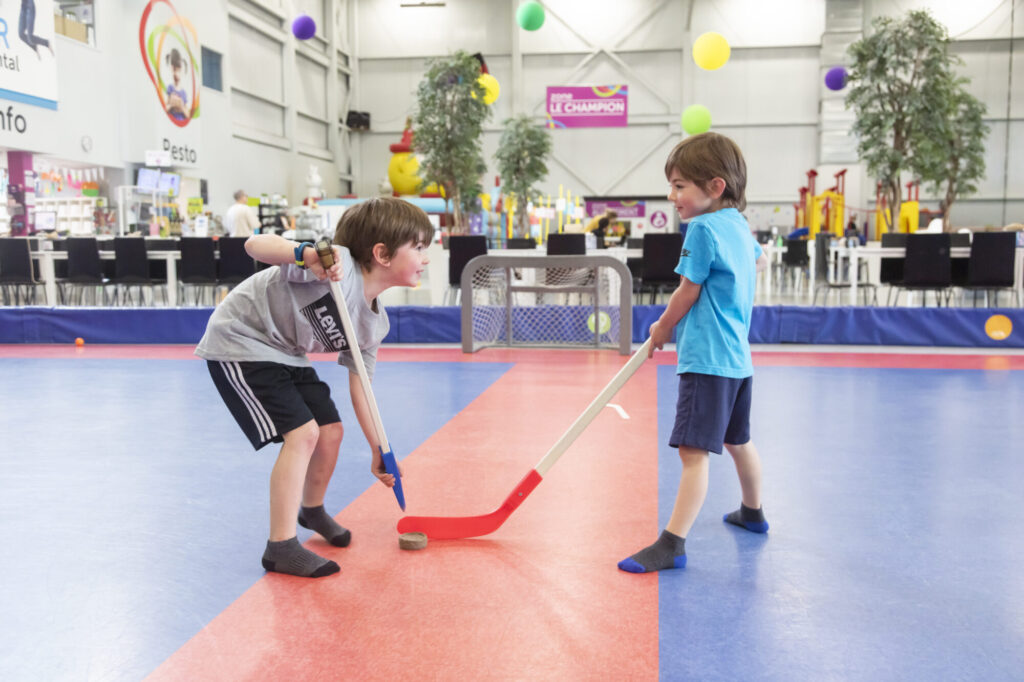
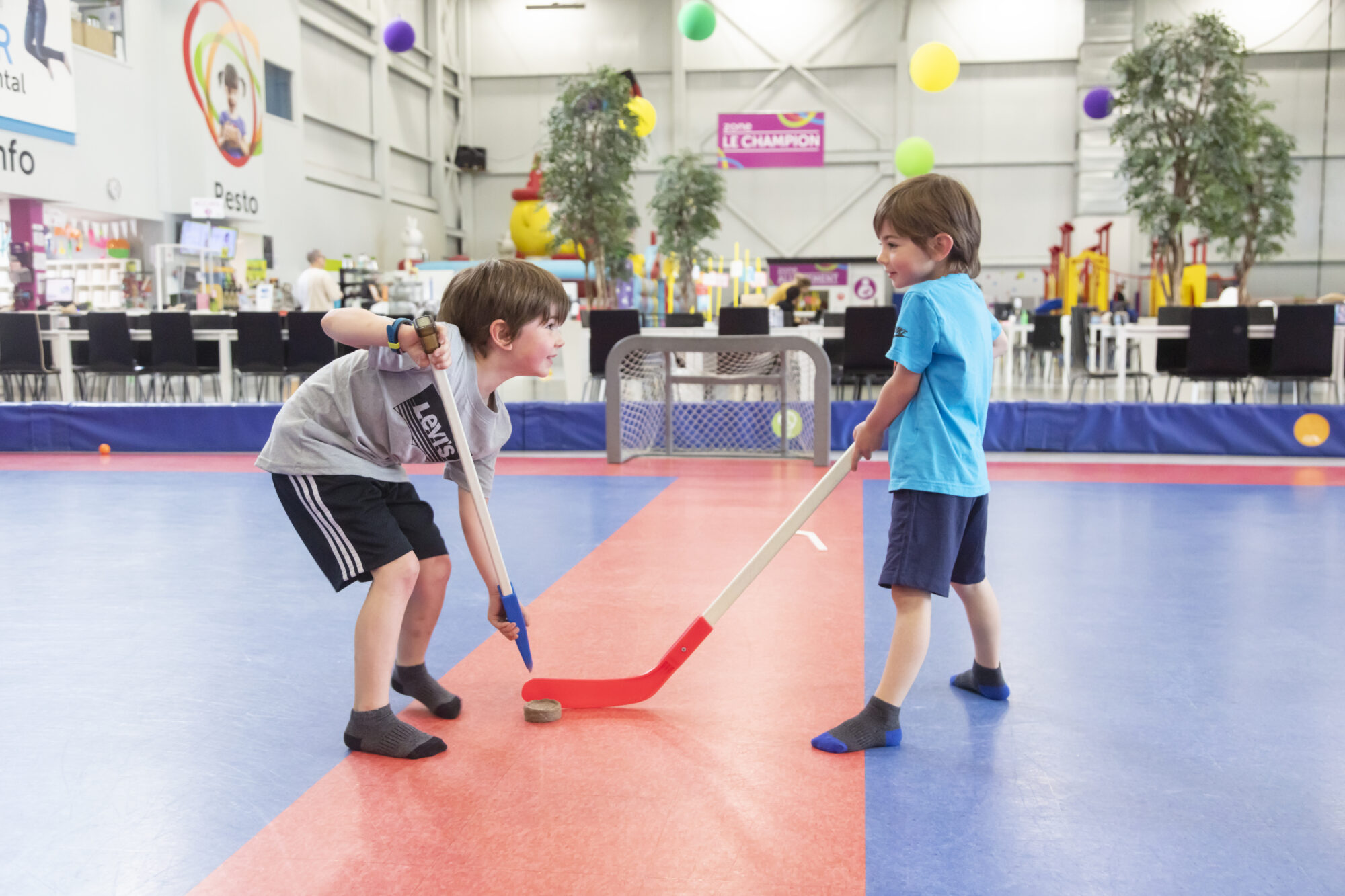
According to Naître et grandir1, free play takes place when a child chooses their own activities, playmates and play materials, as they please. It is in contrast to structured play, where the child follows an adult’s instructions. Examples include playing with modelling clay, building sandcastles, and playing with toy cars or soft toys.
Some experts2 are concerned about the decline in the amount of free play time among children in recent years. There are several reasons for this decline, including a busy schedule of after-school activities, a lack of friends in the neighbourhood, new safety concerns, fear of injury and a sedentary lifestyle caused by screen time3.
However, the Canadian Public Health Association (CPHA) recognises free play as a child’s right and an essential component of health and well-being during childhood and adolescence4.
The many benefits of free play
Cognitive benefits
Through free play, children invent games and stories, which boosts their creativity and imagination. When they encounter a challenge, they also develop their perseverance and problem-solving skills. These qualities stimulate critical thinking and independence, thereby promoting academic success.
The socio-emotional benefits
Free play helps children develop a range of social skills, such as empathy, listening and communication. By playing together, children of all ages learn to negotiate, compromise and cooperate without adult intervention. In this way, they learn to manage their emotions and bounce back when faced with difficulties.
Furthermore, as free play allows for mistakes, children feel less stressed and gain confidence and self-esteem, which are key factors in good mental health.
An invaluable contribution to a child’s overall development
Free play contributes to a child’s overall development, as it enables them to develop their motor, language, social and cognitive skills.
The benefits of free play outdoors
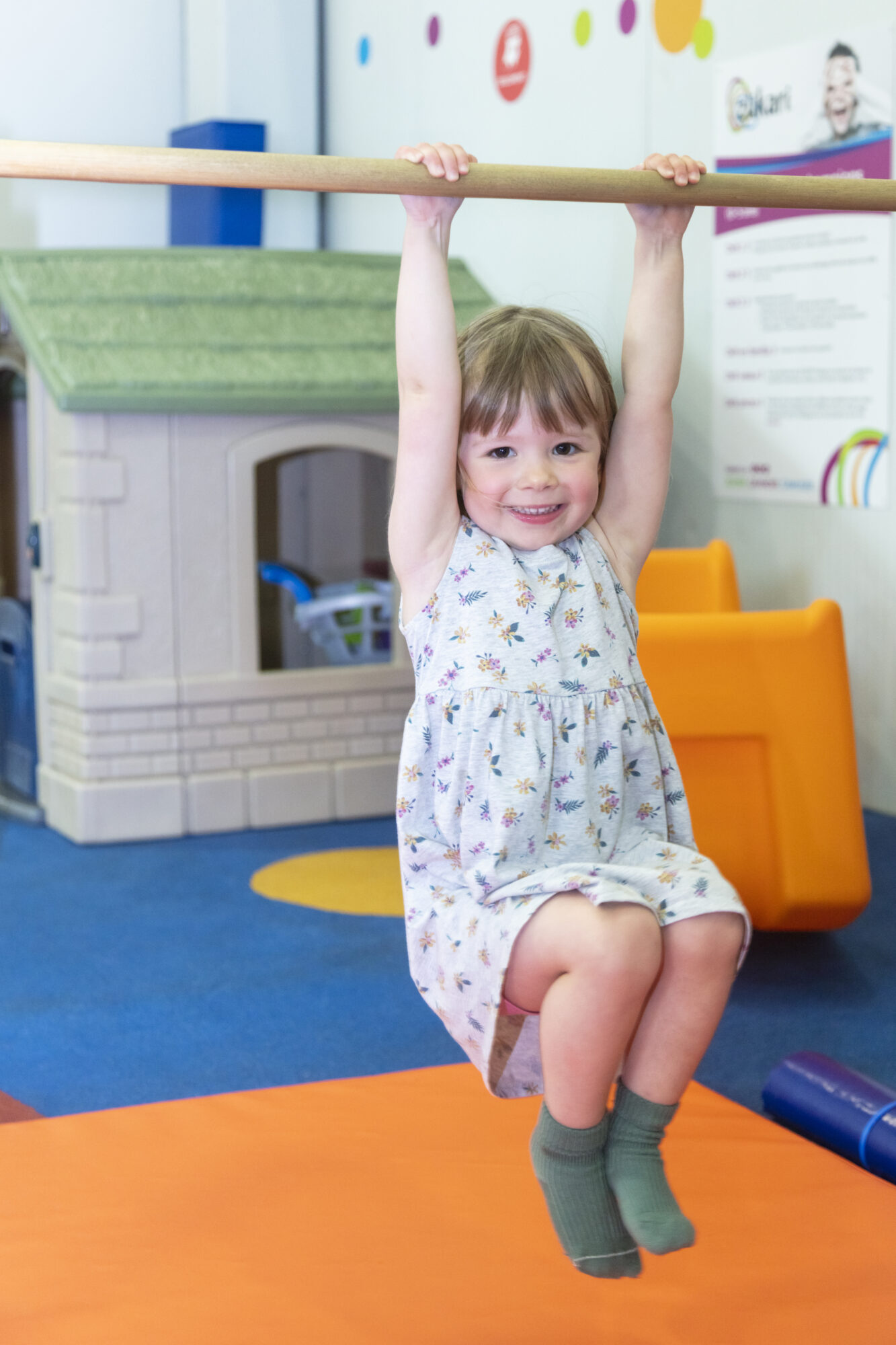
When taken outdoors, free play proves even more beneficial, as it naturally encourages children to be active. Through physical activity, children improve their cardiovascular endurance and muscle tone. Outdoors, young children learn to handle objects, climb, keep their balance, improve their coordination and take risks.
Furthermore, exposure to natural light and contact with nature have a positive effect on children’s wellbeing, sleep quality and immune system.
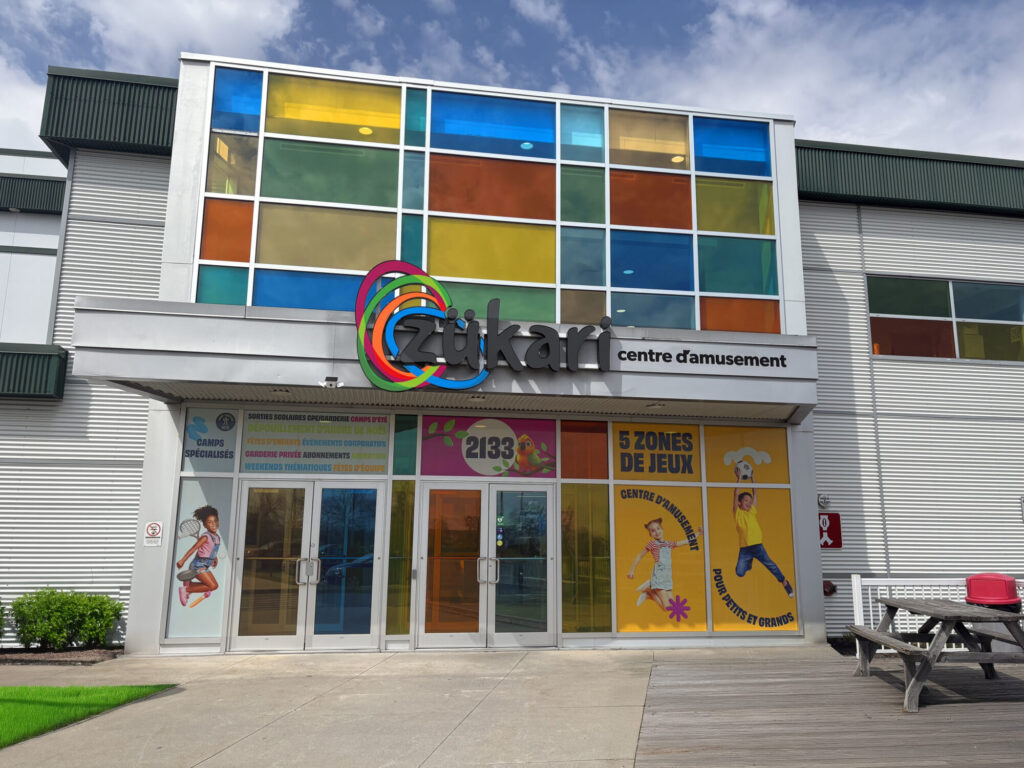
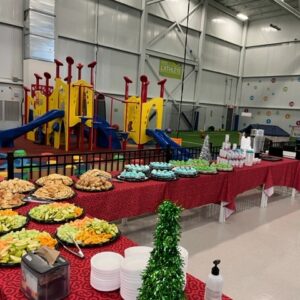
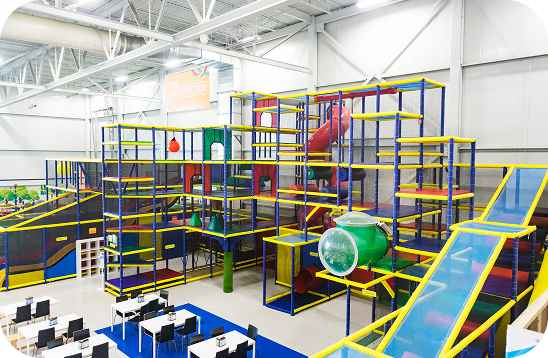
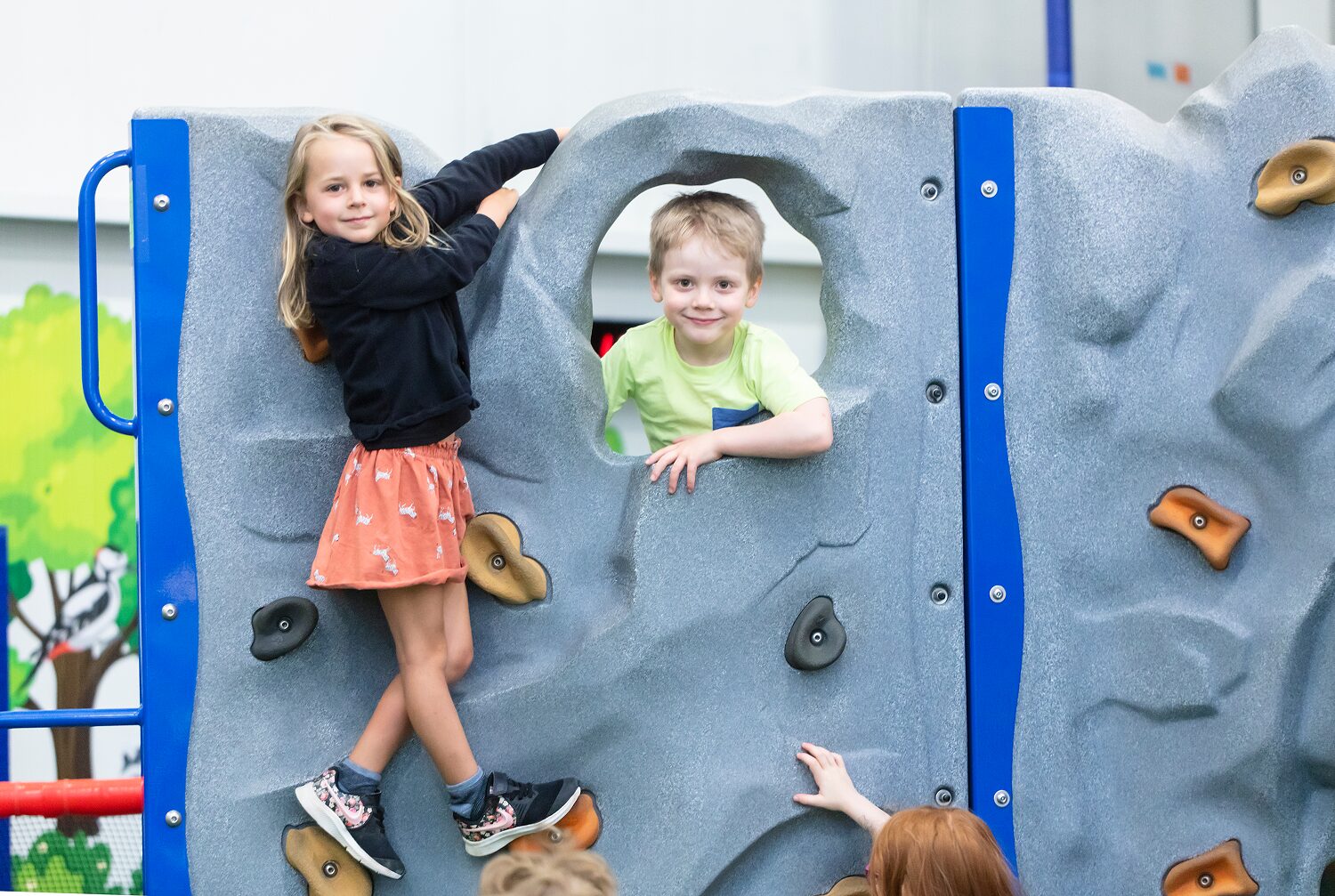
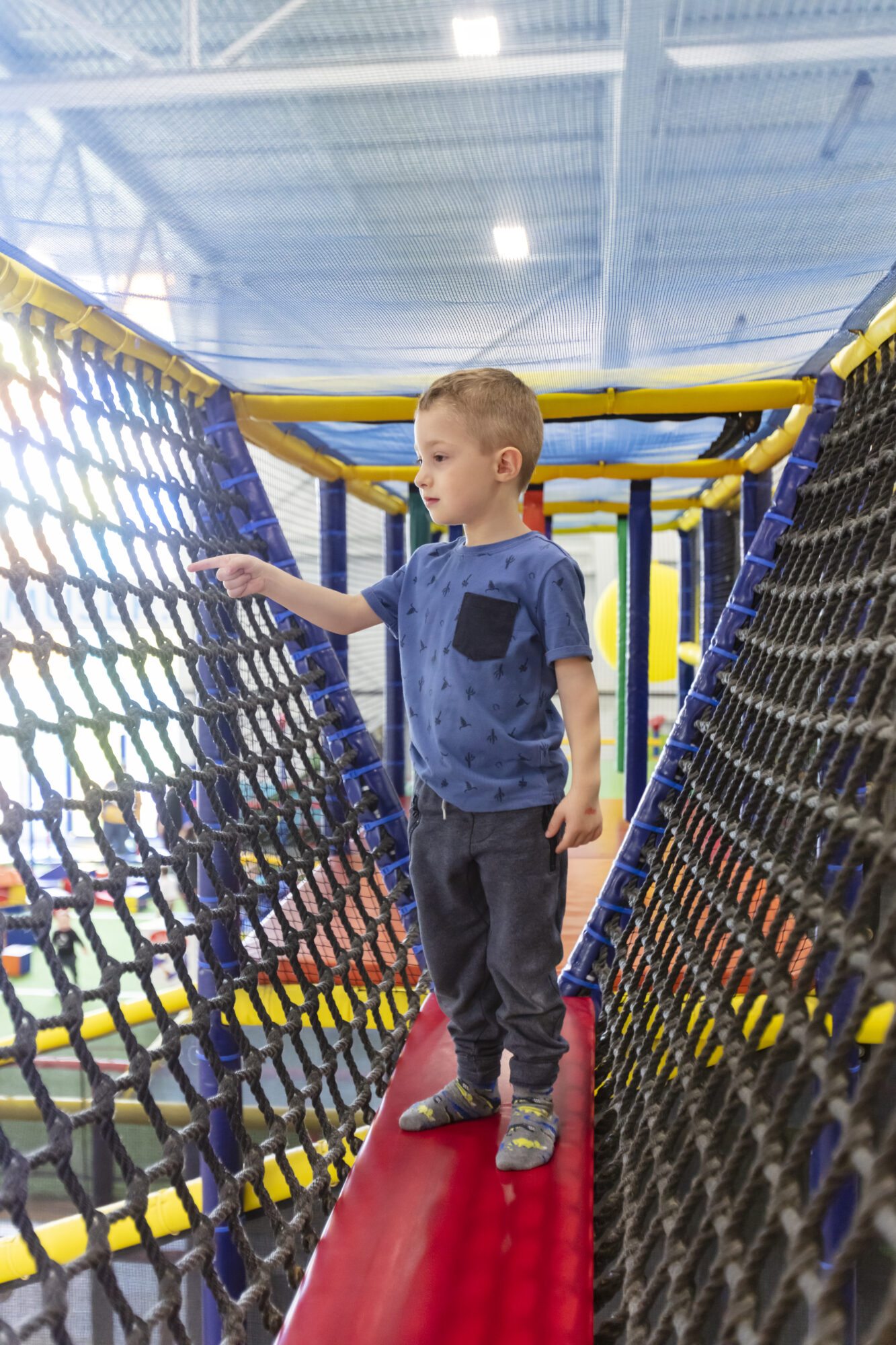
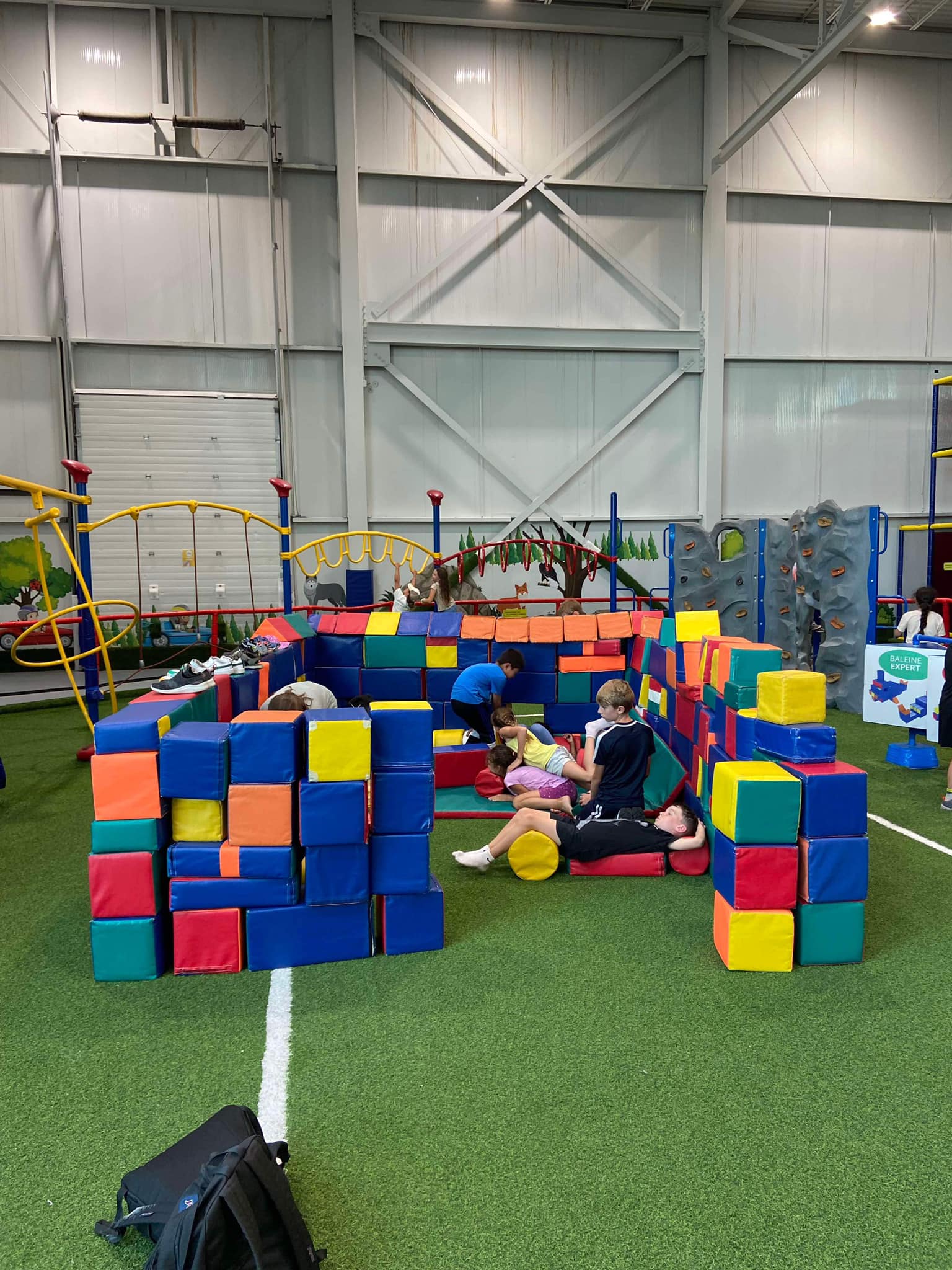
When the weather isn’t on your side, entertainment centres such as Zükari, on Montreal’s South Shore, offer an excellent alternative to the park. Children can choose whatever activity they fancy whilst enjoying a safe environment.
Tips for encouraging free play in children
The best way to incorporate free play into children’s daily lives is to set aside specific times for it.
Whether at home, at nursery or at school, simple little actions can encourage them to have fun on their own:
- Give them enough time to create and invent, at least 45 minutes.
- Provide them with a safe space (for example, a fenced-in garden or a room free of dangerous objects).
- Provide them with a variety of versatile materials: building blocks, figurines, toy cars, craft materials, soft toys, modelling clay, etc.
- Do not intervene unless they ask you to take part in the game.
- Give positive feedback after the play session, for example by displaying their drawing or telling them that their game seems original.
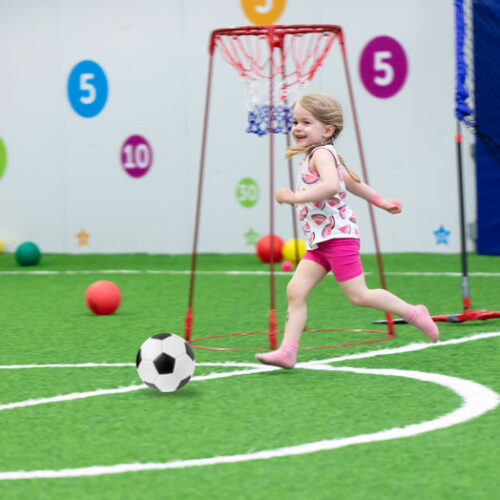
If you’re stuck for ideas for free play, come and see us at the Zükari leisure centre!

Sources
- Naître et grandir. (October 2021). Free play. Naître et grandir team, [online]. naitreetgrandir.com/fr/etape/1_3_ans/jeux/bg-naitre-grandir-jeu-libre/
- Ricardo, R. (29 May 2026). “The disappearance of free play creates a void”, La Presse, [online]. www.lapresse.ca/dialogue/opinions/2026-05-29/enfants-et-ecrans/la-disparition-du-jeu-libre-cree-un-vide.php
- Sports and Leisure Guides. (November 2024). ‘Free play as a driver of development’, [online]. www.guides-sports-loisirs.ca/projetespaces/espaces-jeu-enfants/jeu-libre-enfant/
- Canadian Public Health Association. (12 March 2019). ‘Children’s free play’, [online]. www.cpha.ca/fr/le-jeu-libre-des-enfants